
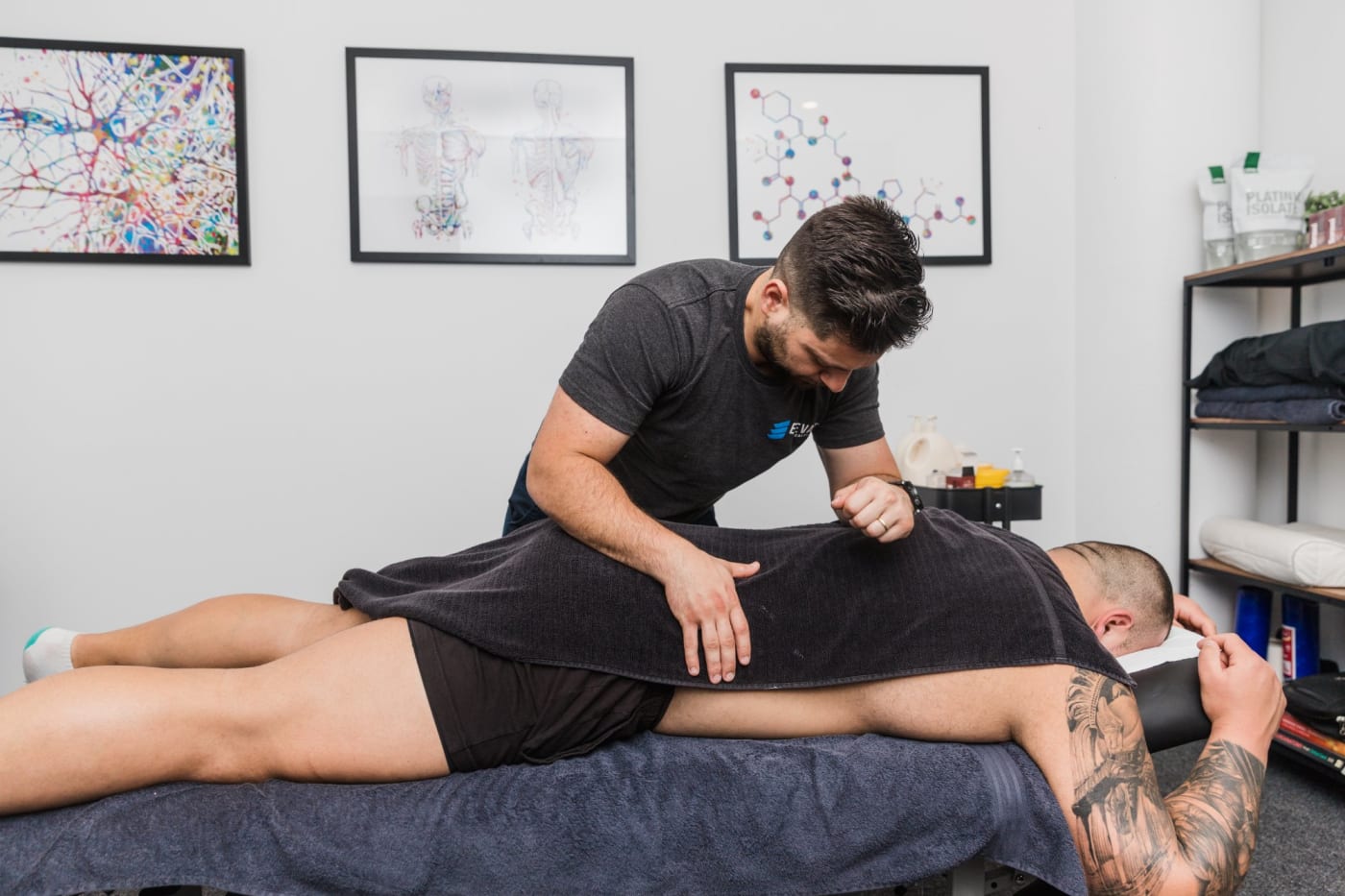
Running injuries are remarkably predictable — the same handful of conditions account for the vast majority of presentations. Understanding what causes each one is the first step to treating and preventing them.
1. Patellofemoral Pain Syndrome (Runner's Knee)
The most common running injury. Pain behind or around the kneecap, worsened by downhill running, prolonged sitting, squatting and stairs. Caused by abnormal kneecap tracking due to hip abductor weakness causing the knee to collapse inward during the stance phase. Treatment: hip abductor and external rotator strengthening, load modification, and sometimes taping or orthotics.
2. Iliotibial Band Syndrome (ITBS)
Sharp, burning pain on the outer knee, typically appearing at a consistent distance into a run. Strongly associated with hip abductor weakness, sudden mileage increases and running on cambered roads. Treatment: hip strengthening, foam rolling the TFL and glutes, load management and technique correction.
3. Medial Tibial Stress Syndrome (Shin Splints)
Pain along the inner border of the lower leg, starting as a dull ache during running and progressing to pain during daily activity. A precursor to tibial stress fracture if not managed. Treatment: load reduction, footwear assessment, calf and tibialis posterior strengthening, and gradual return to running.
4. Achilles Tendinopathy
Pain and stiffness in the Achilles tendon, worst in the morning and at the start of activity. Caused by cumulative overload from training load errors, increased speedwork or uphill running. Treatment: progressive tendon loading protocol (heavy slow resistance training) is the most evidence-supported approach.
5. Plantar Fasciitis
Sharp heel pain worst with the first steps in the morning. Associated with sudden training load increases, tight calves and reduced ankle dorsiflexion. Treatment: progressive calf and plantar fascia loading, stretching, footwear review and short-term load modification.
The Common Thread
Most running injuries are load management problems, not structural failures. The tissue was simply asked to do too much, too soon, with too little recovery.
Need help with this? Our team at Elevate Health Clinic in Bella Vista and Earlwood can assess and treat this condition. Book online or call us today.
4. Achilles Tendinopathy
Achilles tendinopathy presents as pain and stiffness at the back of the heel or lower calf — typically worse with the first steps in the morning and after periods of rest, then easing once warmed up, only to return after sustained loading. It is one of the most common overuse injuries in runners, and one of the most mismanaged.
The key evidence-based intervention is progressive tendon loading — specifically heavy slow resistance (HSR) training using calf raises through full range of motion, with a slow, controlled tempo. This is counterintuitive — most patients instinctively rest, which allows the tendon to decondition further. Loading the tendon progressively stimulates collagen synthesis and structural remodelling. Complete rest without loading prolongs recovery. The research of Hakan Alfredson and subsequently Ebonie Rio has been central in establishing this principle.
5. Plantar Fasciitis
Plantar fasciitis — or more accurately, plantar fasciopathy — involves degeneration of the plantar fascia at its calcaneal insertion, presenting as sharp, localised heel pain with the first step in the morning or after sitting. It is particularly common in runners who have recently increased mileage, changed footwear or running surface, or who have limited ankle dorsiflexion.
Like Achilles tendinopathy, it responds well to progressive loading — specifically plantar fascia-specific stretching combined with progressive calf and intrinsic foot muscle strengthening. Passive treatments (ice, heel cups, orthotics) provide symptom management but do not address the underlying tissue capacity deficit.
When to Seek Assessment for a Running Injury
Most running injuries are load-related and will improve with load modification and progressive rehabilitation. However, certain presentations warrant prompt clinical assessment: sharp pain that forces you to stop running mid-session; swelling, bruising or deformity following a fall or contact; neurological symptoms (numbness, tingling, weakness) in the foot or leg; pain that is worsening despite rest; or a presentation that has not improved after 2–3 weeks of sensible load reduction.
Our sports chiropractic and exercise physiology teams at Elevate Health manage running injuries across all experience levels in the Hills District. Assessment identifies the specific tissue involved, the contributing load and biomechanical factors, and the appropriate rehabilitation approach. No referral is needed — book online or call (02) 8883 0178.
Our sports chiropractic and exercise physiology teams regularly manage running injuries across all experience levels. For guidance on training load and injury prevention, see our article on why you always get injured when you increase running. If a previous injury keeps coming back, see our guide on why injuries keep recurring for an evidence-based explanation.
Frequently Asked Questions
What is the most common running injury?
Runner's knee (patellofemoral pain syndrome) and IT band syndrome are consistently among the most common running injuries, alongside shin splints (medial tibial stress syndrome) and plantar fasciitis. Most running injuries are load-related — caused by increasing distance, frequency or intensity faster than the body can adapt.
How do I know if I should stop running because of pain?
Sharp, worsening pain during a run, significant limping, or pain that remains elevated the day after running are signals to reduce load or seek assessment. Mild, familiar discomfort that settles quickly after stopping and does not worsen with each session is generally more manageable with modification rather than complete rest.
How long do running injuries take to heal?
This varies considerably by injury type and severity. Muscle strains may resolve in 2–4 weeks. Tendinopathies typically require 6–12 weeks of structured loading. Stress fractures require complete rest from impact for 6–8 weeks or more. The key factor across all presentations is progressive return to load — not simply waiting for pain to resolve.
References
- Lopes AD, et al. (2012). What are the main running-related musculoskeletal injuries? A systematic review. Sports Medicine, 42(10), 891–905.
- Nielsen RO, et al. (2012). Randomised controlled trial design. International Journal of Sports Physical Therapy, 7(5), 461–473.
- Gabbett TJ. (2016). The training-injury prevention paradox. British Journal of Sports Medicine, 50(5), 273–280.
- Cook JL & Purdam CR. (2009). Is tendon pathology a continuum? British Journal of Sports Medicine, 43(6), 409–416.
Ready to Get Started?
Book an appointment with our experienced team — same-day availability, NDIS, WorkCover & private health welcome.
Book an Appointment