
You have an NDIS plan. You have goals around improving your physical health, fitness or function. But navigating which supports apply, how to access them, and what you'll actually get from exercise physiology sessions — it's not always clear.
This guide gives you the practical information you need. As a registered NDIS provider in Sydney with experience across a wide range of participant presentations, here's exactly how NDIS exercise physiology works.
Quick answer — NDIS exercise physiology:
- Funded under Capacity Building — Improved Health and Wellbeing
- Support category code: 07_002_0106_6_3
- Works for plan-managed, agency-managed and self-managed participants
- Available in-clinic and via mobile service across Greater Sydney
- Delivered by Accredited Exercise Physiologists (AEPs) — university-trained, ESSA-accredited
What Is an Accredited Exercise Physiologist?
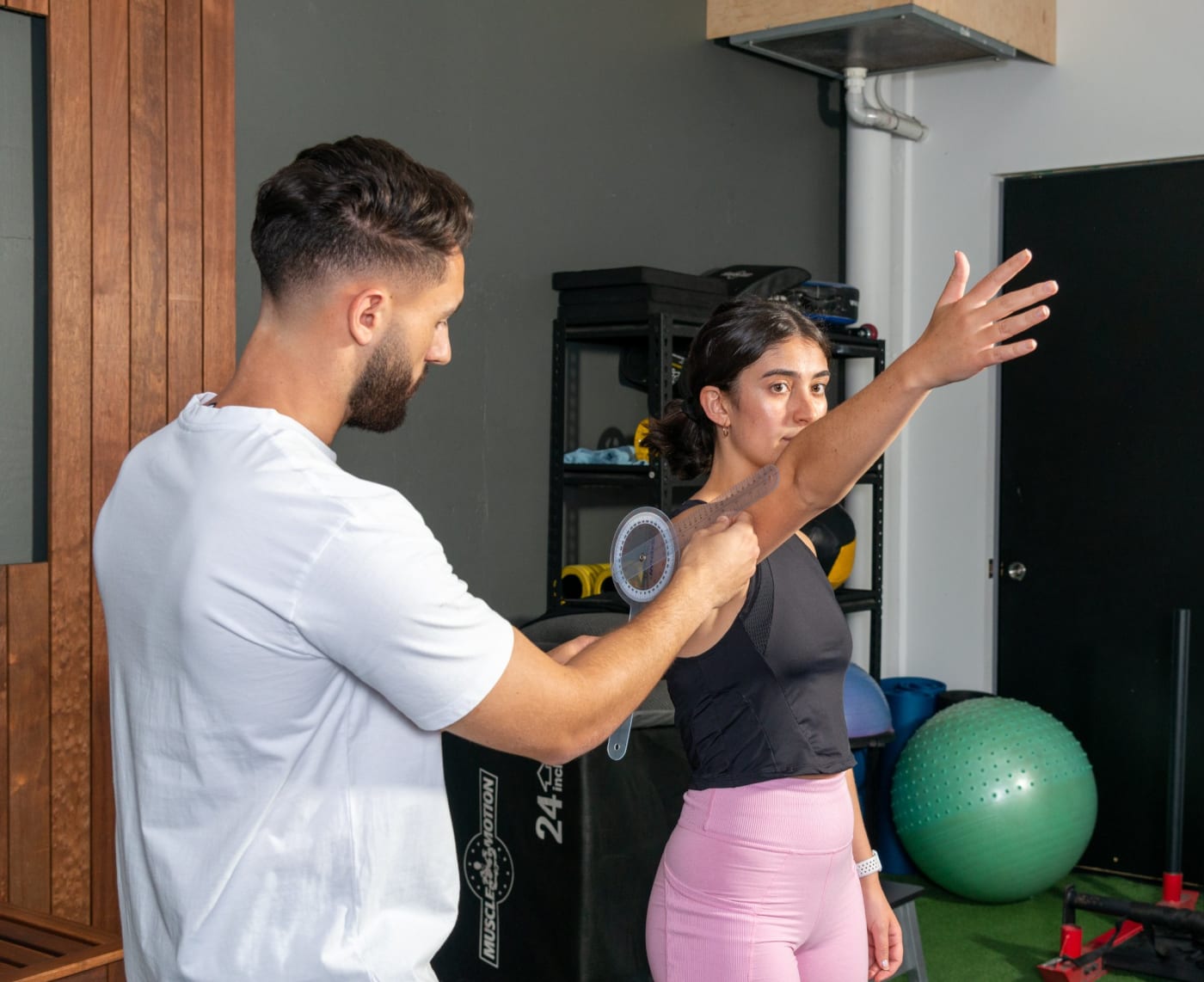
An Accredited Exercise Physiologist (AEP) is a university-trained allied health professional who specialises in designing and delivering evidence-based exercise programs for people with chronic medical conditions, injuries or disabilities.
AEPs are accredited by Exercise & Sports Science Australia (ESSA) — the peak national body — and hold a four-year university degree in Exercise and Sport Science or Exercise Physiology. They are recognised providers under the NDIS, Medicare and WorkCover schemes.
Importantly, AEPs are distinct from personal trainers. They are equipped to assess complex comorbidities, interpret pathology and laboratory results, work within multidisciplinary teams and manage medically complex presentations.
How NDIS Funding Works for Exercise Physiology
Exercise physiology is funded under the NDIS as a Capacity Building support — specifically under:
- Support purpose: Capacity Building
- Support category: CB Daily Activity
- Support item: Exercise Physiology (07_002_0106_6_3)
To access this funding you need:
- Capacity Building — Improved Health and Wellbeing included in your NDIS plan
- A goal in your plan related to exercise, physical health or wellbeing
- A registered NDIS provider (Elevate Health Clinic is fully registered)
Which Management Type Do You Have?
Agency-managed: Your supports are managed by the NDIA. We invoice the NDIA directly through the NDIS portal. No out-of-pocket cost to you.
Plan-managed: A plan manager pays your invoices from your plan funds. We invoice your plan manager. No out-of-pocket cost to you.
Self-managed: You pay us directly, then claim reimbursement through the NDIS myplace portal. We provide you with a compliant tax invoice.
Conditions We Work With
Our AEPs have experience across a wide range of NDIS-relevant presentations:
Neurological Conditions
- Multiple sclerosis (MS) — fatigue management, walking endurance, balance
- Parkinson's disease — balance, gait, fall prevention, strength
- Acquired brain injury (ABI) — functional mobility, cognitive exercise strategies
- Cerebral palsy — mobility, strength, independence in daily activities
- Spinal cord injury — upper extremity strength, respiratory function, pressure management
Intellectual and Developmental Disabilities
- Autism spectrum disorder — sensory-adapted exercise delivery, social engagement through group programs
- Down syndrome — strength, cardiovascular health, bone density
- Intellectual disability — functional fitness for daily living, community participation goals
Mental Health Conditions
- Depression and anxiety — structured exercise programs with evidence-equivalent to antidepressant medication for mild-moderate presentations
- PTSD — trauma-informed exercise delivery
- Psychosocial disability — building routine, social connection, physical health
Physical and Musculoskeletal Conditions
- Chronic pain — graded activity, pain neuroscience, functional restoration
- Obesity and metabolic conditions — evidence-based weight management within NDIS goals
- Respiratory conditions — pulmonary rehabilitation, exercise tolerance
What Happens at Your First NDIS Exercise Physiology Session?
Your initial session (60 minutes) includes:
- Goal-setting review — we review your NDIS plan goals and discuss what you want to achieve
- Health and fitness assessment — relevant clinical assessments based on your presentation
- Exercise capacity testing — functional movement, strength, balance and cardiovascular capacity as appropriate
- Program design — your personalised exercise program is designed around your goals, capacity, preferences and environment
- Progress reporting — we can provide NDIS progress reports for your plan reviews
Mobile NDIS Exercise Physiology Across Sydney
We offer mobile exercise physiology services across Greater Sydney — bringing your program to you, wherever you're most comfortable:
- Your home
- Supported Independent Living (SIL) properties
- Aged care facilities
- Local parks and community gyms
- Our Bella Vista clinic (fully equipped gym space)
Mobile delivery removes transport barriers — a critical factor for many NDIS participants — and allows exercise in the environment where skills will actually be applied.
Setting Goals with Your NDIS Exercise Physiologist
NDIS-funded exercise physiology sessions must be directed toward the goals documented in your NDIS plan. This is not a limitation — it is a framework that ensures treatment is purposeful and measurable. Common goal categories for exercise physiology under NDIS include: improving daily living independence (getting up from a chair, walking to the letterbox, managing stairs), increasing participation in community activities, improving fitness and health markers to reduce secondary health complications, and reducing reliance on supports over time.
Your AEP will work with you — and your support coordinator or plan manager if relevant — to translate your broad NDIS goals into specific, measurable exercise targets. Progress is documented using validated outcome measures, which provides the evidence base for plan reviews and continued funding justification. Many of our NDIS participants find that well-documented progress reports from their AEP significantly strengthen their case at plan reviews.
NDIS Exercise Physiology in the Hills District and Sydney Wide
Our accredited exercise physiologists provide both in-clinic NDIS sessions at our Bella Vista clinic and mobile NDIS exercise physiology across the Hills District and wider Sydney. Mobile sessions are conducted in participants' homes, community venues or local gyms — wherever the participant's goals are best served. No transport barriers, no time spent travelling to and from clinic.
We work with participants across a broad range of disability categories — neurological, musculoskeletal, developmental, psychiatric and complex chronic conditions. If you are unsure whether your condition and goals align with what exercise physiology can offer under NDIS, contact our team and we can discuss your situation before you commit to any sessions.
Frequently Asked Questions
How do I get NDIS exercise physiology added to my plan?
If exercise physiology isn't currently in your plan, you can request it at your next plan review meeting. Bring evidence of how exercise physiology would help you achieve your goals — your treating GP, specialist or current allied health provider can support this request with a letter or report.
How many NDIS exercise physiology sessions can I have?
There's no fixed session limit — it depends on the funding allocated to your Capacity Building — Improved Health and Wellbeing support. Your AEP will work within your allocated budget and provide recommendations for future plan reviews based on your outcomes.
Can I use NDIS funding for gym membership?
Generally no — NDIS funding doesn't directly fund gym memberships. However, AEP sessions can be delivered in a gym environment, and accessing community participation supports may allow funding of community fitness programs in some circumstances. Your AEP can advise on the best use of your funding.
Do I need a doctor's referral to access NDIS exercise physiology?
No referral is required. You can contact us directly and we'll coordinate with your plan manager or NDIA to confirm your funding. We handle the administrative side so you can focus on your program.
Need help with this? Our team at Elevate Health Clinic in Bella Vista and Earlwood can assess and treat this condition. Book online or call us today.
Our accredited exercise physiologists in Bella Vista are registered NDIS providers offering in-clinic and mobile services across the Hills District and Sydney Wide. For information on WorkCover-funded exercise physiology, see our guide on what you are entitled to under WorkCover NSW. If you are managing a chronic condition alongside your NDIS goals, our article on exercise physiology for chronic disease explains how structured exercise supports long-term health.
References
- Sherrington C, et al. (2019). Exercise for preventing falls in older people living in the community. Cochrane Database of Systematic Reviews, (1).
- Fiatarone Singh MA. (2014). Exercise, nutrition and managing hip fracture in older persons. Current Opinion in Clinical Nutrition & Metabolic Care, 17(1), 12–24.
- ESSA. (2020). Scope of Practice for Accredited Exercise Physiologists. Exercise & Sports Science Australia.
- National Disability Insurance Agency. (2023). NDIS Pricing Arrangements and Price Limits. NDIA, Canberra.
Ready to Get Started?
Book an appointment with our experienced team — same-day availability, NDIS, WorkCover & private health welcome.
Book an Appointment