
Neck pain and headaches are a frustrating combination that significantly impacts quality of life — yet many people don't realise the two are often directly linked, or that chiropractic care can address both at their source.
The Neck-Headache Connection
Many headaches are actually cervicogenic — meaning they originate from the cervical spine (neck). Irritated joints, muscles or nerves in the upper cervical region (C1–C3) refer pain forward over the head, often mimicking a classic tension headache. These headaches are typically one-sided, worsen with neck movement or sustained postures (like screen work), and are accompanied by neck stiffness.
Why Chiropractic Works for These Headaches
Chiropractic adjustment — particularly to the upper cervical spine — directly addresses the source of cervicogenic headaches. A landmark trial published in the Journal of Manipulative and Physiological Therapeutics found spinal manipulation more effective than medication for cervicogenic headaches at both 4 and 8 weeks.
Common Causes of Neck Pain
- Forward head posture: For every 2.5cm the head sits forward of neutral, the effective weight on the cervical spine roughly doubles.
- Desk work and screen use: Prolonged sitting with a screen causes sustained cervical flexion and muscle fatigue.
- Cervical facet joint restriction: Stiff or irritated joints causing deep aching pain with restricted rotation.
- Cervical disc injury: Disc bulges in the neck can cause local pain plus radiating arm symptoms.
- Whiplash: Injury from rapid acceleration-deceleration of the neck, most commonly from motor vehicle accidents.
Our Treatment Approach
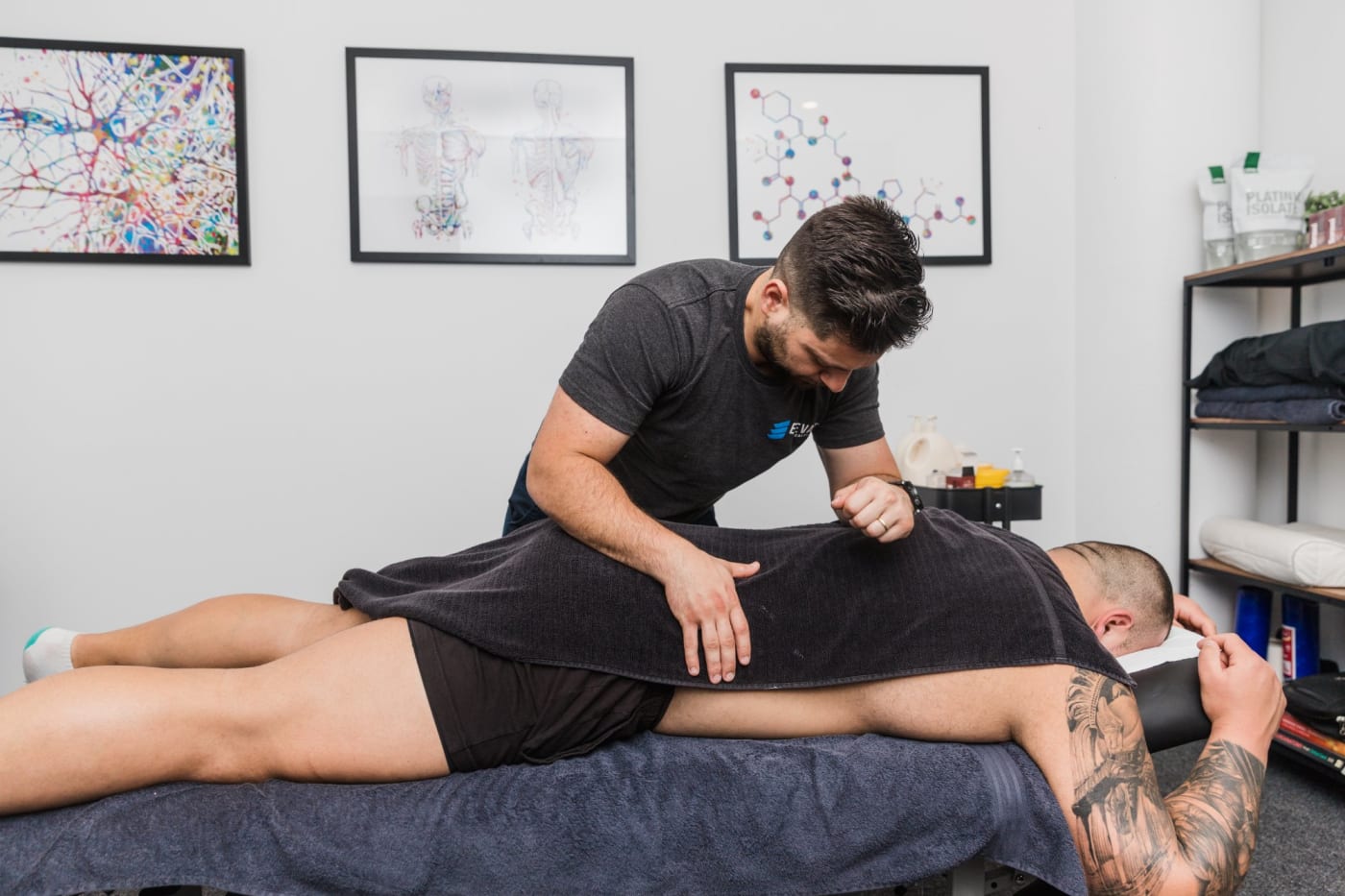
Treatment combines cervical spine adjustments, soft tissue therapy to the neck and upper back, dry needling for trigger points, and postural retraining with ergonomic assessment for desk workers.
Red Flags
Seek urgent medical attention if you experience neck pain with fever and stiff neck, a sudden thunderclap headache, progressive arm weakness, or headache following trauma.
Need help with this? Our team at Elevate Health Clinic in Bella Vista and Earlwood can assess and treat this condition. Book online or call us today.
How Cervicogenic Headache Is Diagnosed
Cervicogenic headache is often misdiagnosed as migraine or tension-type headache because the symptoms overlap. The key distinguishing features are: one-sided head pain (typically on the same side as the neck problem), pain that is provoked or worsened by neck movement or sustained postures, reduced cervical range of motion, and tenderness of the upper cervical joints on palpation. The International Headache Society has defined specific diagnostic criteria for cervicogenic headache that practitioners use to differentiate it from other headache types.
A thorough clinical assessment — rather than imaging alone — is the most reliable way to diagnose cervicogenic headache. In many cases, specific joint mobility testing and careful palpation of the upper cervical spine will reproduce the patient's familiar headache symptoms, which is highly diagnostic. MRI and CT are rarely required for cervicogenic headache unless red flags are present.
Desk Work, Posture and the Neck-Headache Cycle
Prolonged desk work is one of the most common contributing factors to both neck pain and cervicogenic headache. Sustained forward head posture increases the compressive load on the cervical facet joints — particularly C1–C3, which are the primary source of cervicogenic headache — and places the posterior cervical muscles in a chronically lengthened, tension-generating state.
The cycle typically looks like this: prolonged sitting → sustained cervical load → joint irritation and muscle tension → pain and restricted movement → protective muscle guarding → further load on the joints. Breaking this cycle requires both addressing the acute joint dysfunction (through manual therapy) and modifying the load pattern (through ergonomic advice, movement breaks and targeted strengthening).
Movement frequency matters more than posture perfection. Research consistently shows that brief movement breaks — even 60–90 seconds every 30 minutes — significantly reduce cumulative cervical load and the associated headache frequency. This is more achievable and more effective than trying to maintain a specific posture throughout the day.
Red Flags — When to Seek Urgent Assessment
The vast majority of neck pain and headaches have musculoskeletal origins and are safe to manage with conservative care. However, some presentations require urgent medical assessment. Seek immediate care if your neck pain or headache is associated with any of the following:
- Sudden, severe headache described as the worst of your life (possible subarachnoid haemorrhage)
- Neck stiffness with fever, sensitivity to light or nausea (possible meningitis)
- Neurological symptoms — arm weakness, loss of hand coordination, gait disturbance
- Headache following trauma or head injury
- Progressive headache worsening over weeks without clear cause
Your chiropractor is trained to screen for these red flags at your initial assessment. If any are identified, you will be referred appropriately before any treatment begins.
Neck Pain and Headache Management in the Hills District
Our Bella Vista chiropractic team manages cervicogenic headache and neck pain as one of the most common presentations in clinic. Treatment combines spinal manipulation of the cervical and upper thoracic joints, soft tissue therapy and targeted exercise for the deep cervical flexors — the muscles most consistently undertrained in patients with persistent neck pain and headache. Same-day appointments are available at both our Bella Vista and Earlwood locations.
Our chiropractors in Bella Vista regularly assess and manage neck pain and cervicogenic headaches. If your neck pain is related to desk posture, our blog article on whether neck pain is really from bad posture offers an evidence-based perspective. For a broader rehabilitation approach, our Dynamic Resilience System™ outlines how we progress from hands-on treatment to long-term management.
Frequently Asked Questions
Can chiropractic treatment help with headaches?
Chiropractic care has good evidence for cervicogenic headaches — those that originate from the neck. Spinal manipulation and mobilisation of the cervical spine are among the most studied non-pharmacological interventions for this type of headache. Migraine and tension-type headache may also respond, though the evidence is less consistent.
How long does neck pain take to improve with chiropractic care?
Acute neck pain often improves significantly within 2–4 weeks of appropriate management. Chronic or recurrent neck pain typically takes longer, with most patients seeing meaningful improvement over 6–12 weeks of combined manual therapy and exercise-based care.
What causes cervicogenic headaches?
Cervicogenic headaches originate from structures in the cervical spine — typically the upper three cervical joints. They are characterised by one-sided head pain that begins in the neck, often worsened by neck movement or sustained postures. They are distinct from migraines and tension headaches, though the presentations can overlap.
References
- Gross A, et al. (2015). Manipulation and mobilisation for neck pain contrasted against an inactive control. Cochrane Database of Systematic Reviews, (9).
- Bryans R, et al. (2014). Evidence-based guidelines for the chiropractic treatment of adults with headache. Journal of Manipulative and Physiological Therapeutics, 37(5), 274–289.
- Jull G, et al. (2002). A randomized controlled trial of exercise and manipulative therapy for cervicogenic headache. Spine, 27(17), 1835–1843.
- Biondi DM. (2005). Cervicogenic headache: a review of diagnostic and treatment strategies. Journal of the American Osteopathic Association, 105(4), 16–22.
Ready to Get Started?
Book an appointment with our experienced team — same-day availability, NDIS, WorkCover & private health welcome.
Book an Appointment