Women’s Health
Exercise Physiology
Accredited exercise physiology designed specifically for women — from pregnancy and postnatal return to exercise, to bone health, chronic disease management, NDIS and beyond. Part of the Elevate Her service at our Bella Vista clinic.
Exercise physiology
built around women’s health
Women’s bodies have specific physiological needs that change across the lifespan. Hormonal fluctuations, pregnancy, postpartum recovery, perimenopause and menopause all affect how women should train, recover and manage their health.
Our women’s health exercise physiologist designs evidence-based programmes specifically for these presentations — taking into account the female hormonal cycle, pelvic floor considerations, bone density, cardiovascular health and mental wellbeing.
Whether you are returning to exercise after having a baby, managing a chronic condition, working through NDIS goals or simply wanting to train smarter for your stage of life, we can help.
Presentations we commonly
programme for
Exercise is a primary intervention for many women’s health conditions. Our programmes are evidence-based and tailored to your specific presentation and goals.
Pregnancy Exercise
Safe, evidence-based exercise throughout all trimesters. Modified programming for each stage — maintaining fitness, managing discomfort and preparing the body for birth.
Postnatal Return to Exercise
Graduated return to exercise after vaginal or caesarean birth — including diastasis recti management, pelvic floor load progression and safe return to running, lifting and high-impact activity.
Bone Health & Osteoporosis
Exercise programming to maintain and improve bone density — particularly important during perimenopause and beyond. Strength and impact training protocols matched to your bone health status.
Perimenopause & Menopause
Targeted exercise for hormonal transition — managing weight changes, cardiovascular risk, bone loss, mood and energy. Strength training and metabolic conditioning tailored to this life stage.
PCOS & Metabolic Health
Exercise as a primary management tool for polycystic ovary syndrome, insulin resistance and metabolic dysfunction. Evidence-based protocols combining resistance and cardiovascular training.
Chronic Disease Management
Exercise physiology for chronic conditions including type 2 diabetes, cardiovascular disease, obesity, arthritis and mental health conditions. Medicare CDM referrals accepted.
Cancer Rehabilitation
Exercise during and after cancer treatment — including breast, gynaecological and other cancers. Evidence-based protocols for fatigue management, strength maintenance and quality of life.
NDIS & Disability
Women’s health exercise physiology under NDIS. Plan-managed, NDIA-managed and self-managed participants. Goal-directed programming aligned with your NDIS plan.
Mental Health & Wellbeing
Exercise prescription for anxiety, depression, stress and burnout. Structured programmes that support mental health alongside physical wellbeing — particularly during hormonal transitions.
Your first appointment
Every programme begins with a thorough assessment to understand your health, goals and any relevant considerations before any exercise is prescribed.
Health history & goals
A detailed discussion of your medical history, current health, hormonal status, obstetric history where relevant, current activity levels and your specific goals — whether they are health-based, functional or performance-related.
Functional assessment
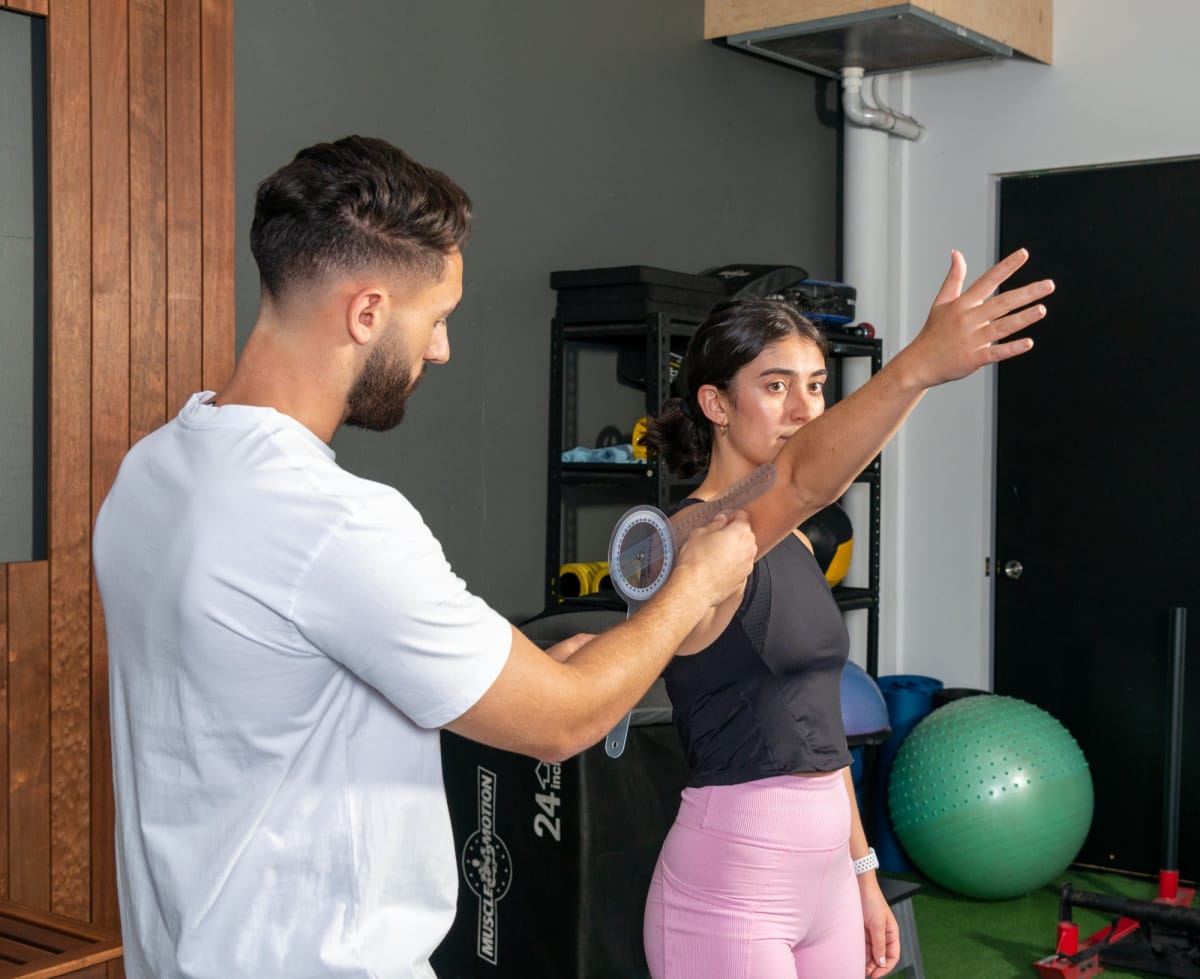
Movement screening, strength and capacity testing appropriate to your presentation and stage of life. This guides programme design and establishes your baseline.
Programme planning
Development of a personalised exercise programme matched to your assessment findings, goals, available equipment and schedule. You leave your first session with a clear plan and exercises to begin.
Supervised sessions
Ongoing supervised exercise sessions with your AEP — progressing your programme as you adapt, adjusting for any changes in your health, hormonal status or goals.
Independence & maintenance
The goal is to build your knowledge, confidence and capacity to exercise independently — with our support along the way. We work toward giving you tools you keep for life.
Meet Halle Neal
Halle is Elevate Health’s women’s health exercise physiologist, now seeing patients at our Bella Vista clinic.
Halle is a dual-qualified physiotherapist and exercise physiologist with a specialist focus on women’s health. Her exercise physiology work spans pregnancy and postnatal programming, perimenopause and menopause, bone health, PCOS, chronic disease management and NDIS.
Halle’s programming is evidence-based and individualised — designed around each woman’s unique physiology, life stage and goals, not a generic template.
Common questions
Do I need a referral?
No referral is needed for private bookings. If you are using Medicare CDM, WorkCover or DVA, a referral from your GP or treating doctor is required. NDIS participants can book directly.
Is this different from seeing a regular exercise physiologist?
Yes. Women’s health exercise physiology specifically accounts for female physiology — hormonal fluctuations across the menstrual cycle, pregnancy and postnatal considerations, pelvic floor load management, bone density and the physiological changes of perimenopause and menopause.
Can I see Halle during pregnancy?
Yes. Halle provides exercise physiology throughout all trimesters — modifying intensity, load and exercise selection to each stage of pregnancy and any relevant obstetric considerations.
How soon after birth can I start?
It depends on your birth experience and recovery. Many women can begin gentle postpartum exercise programming from 6 weeks, with full assessment at that point. Halle will guide you through a safe, graduated return.
How do I book with Halle?
Halle is now seeing patients at Bella Vista. Book online or call us on (02) 8883 0178.
Is exercise physiology covered by private health insurance?
Exercise physiology is covered under some private health extras policies. Check your fund for details. HICAPS is available at our Bella Vista clinic for on-the-spot claiming.
Ready to move better
and feel stronger?
Women’s health exercise physiology now available at our Bella Vista clinic. No referral needed for most bookings.